

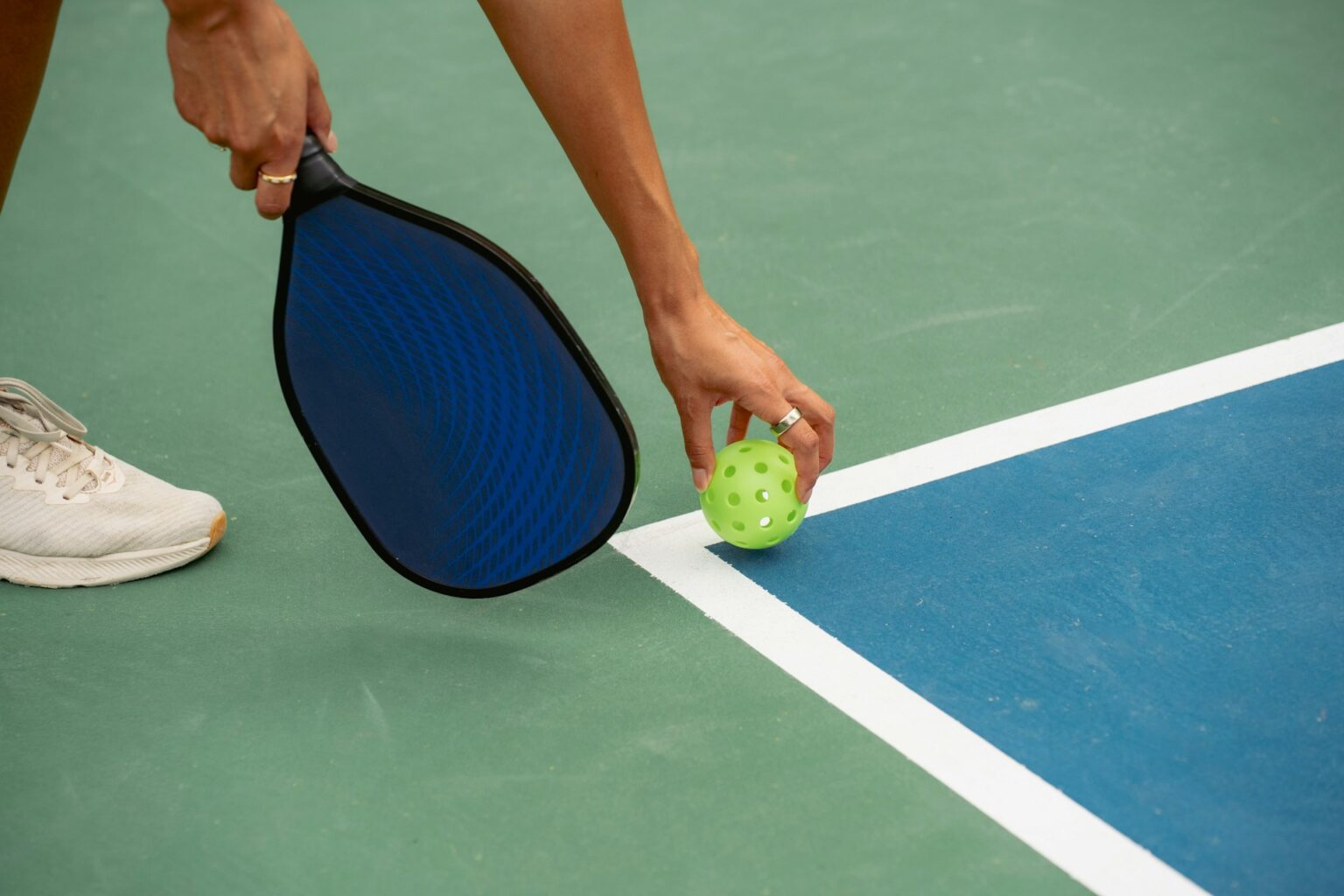
Core crushing is one of the most talked-about and least understood issues in pickleball right now. Whether you’re a casual weekend player or a tournament regular, here’s what you need to know before you step on court.
1. It’s not a myth — it’s a real structural problem
Core crushing happens when the polymer honeycomb inside your paddle begins to break down through regular play. As that internal structure deteriorates, the paddle face becomes progressively more elastic, generating more power than it was ever designed to produce. It’s a real, measurable change in how your paddle performs, not just wear and tear you can brush off.
2. The trampoline effect is the real issue
As the honeycomb core loosens, your paddle starts behaving like a worn-out trampoline. Springier than it should be, and harder to control. The greater that trampoline effect, the more power your paddle generates beyond its certified specs. At a certain point, it crosses a line and that line is the difference between a legal and an illegal paddle.
3. Some paddles are more vulnerable than others
Core crushing is more prevalent in Gen 2 and Gen 3 thermoformed paddles, including models like the Luzz Cannon, RPM Friction Pro, Six Zero, Volair and other brands This doesn’t mean every thermoformed paddle will core crush, but the construction method makes them more susceptible over time. Check your manufacturer’s website if you’re unsure whether your paddle is thermoformed.
4. Most players using crushed paddles don’t know it
This is the uncomfortable part. According to paddle expert Chris Olson of Pickleball Studio, it’s not unusual to encounter multiple players per tournament unknowingly using core crushed paddles. The degradation happens gradually, so it rarely feels like a sudden change. You just keep playing, getting a little more power each week, until your paddle is well outside its certified performance range.
5. You can check your paddle in 30 seconds
No equipment needed. Press both thumbs firmly into the centre of the paddle face, slightly above centre works too. Apply steady pressure and listen. A crackling or crunching sound means the core has been compromised. One important note: avoid pressing near the edge guard, as the foam border there will naturally produce a similar sound. You’re specifically testing the honeycomb in the middle of the face.
6. If it fails the test, retire it and check your warranty
A core crushed paddle shouldn’t be used in competitive play, even if it still feels comfortable to you. Most reputable brands offer warranties that cover performance degradation, so before buying a replacement, check whether you’re eligible for a free one. Going forward, make the 30-second check a routine. Every two to three weeks is a good cadence to catch any issues before they become a problem on court.
