

Picking a pickleball paddle used to be easy. You borrowed one from a friend or bought one that looked cool on the shelf, and then played with it until it wore out. But the gear game has changed. Paddles have evolved from basic fiberglass slabs into finely engineered instruments—each designed to complement a specific playing style. And if you’re serious about competing, your paddle matters.
Think of it like this: Your paddle is not just equipment. It’s your doubles partner. It shapes your touch, influences your tempo, and either amplifies or exposes your weaknesses. The wrong fit can hold you back, while the right one can unlock parts of your game you didn’t know existed.

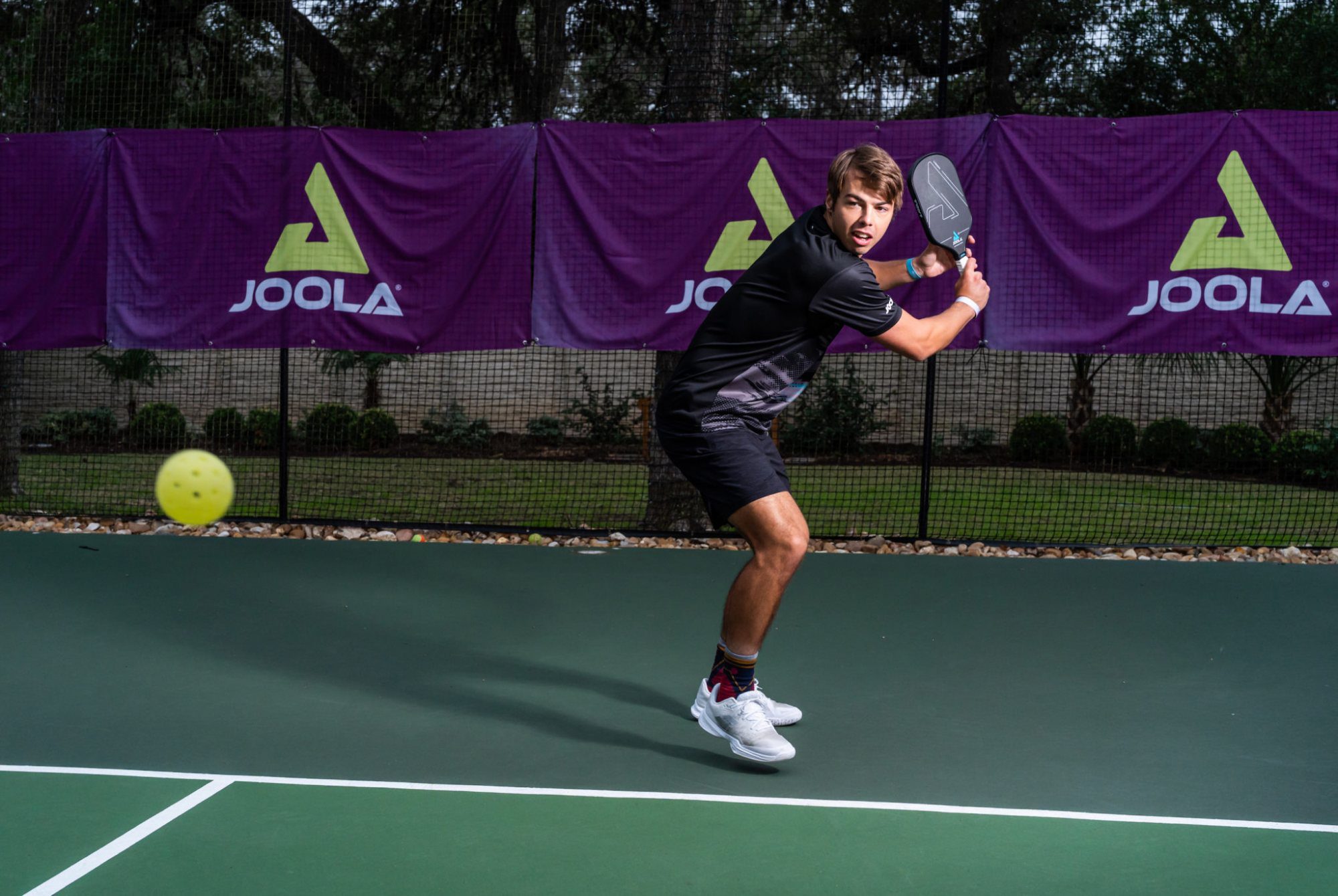
So how do you choose? Start by looking at how you play. If you favor power (say, if your game is built on drives, hard returns, and speed from the baseline) you need a paddle that can keep up. That typically means a thicker core, a reactive face, and a bit more weight. There’s a reason Joola’s Hyperion series is a favorite among power players. It’s built with carbon fiber, offers a massive sweet spot, and has the kind of thermoformed stability that holds up under pressure. It’s not subtle, but it is reliable when you need to hit through your opponent.
Thinner paddles typically have more “pop” or rebound, which is why many manufacturers will call their thinner options “power paddles.” The smaller sweet spot can be difficult to control if you’re unable to find it regularly, making them common choices for advanced players.
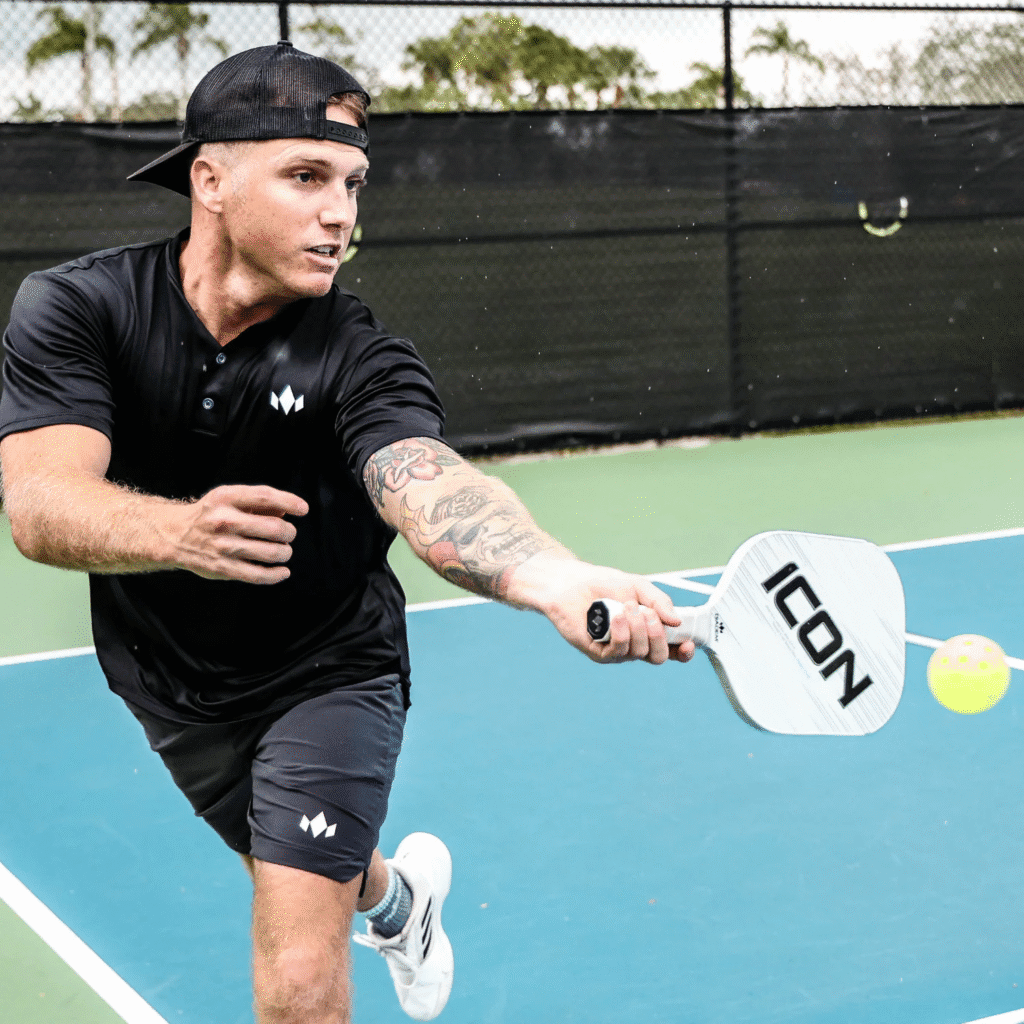
If your game is more about feel, then you need a paddle that listens. Something that rewards finesse, not force. Control players do their damage at the kitchen. They rely on placement and patience, and they reset well. For this, Diadem’s Icon v2 is a standout. The carbon fiber face is textured but not overwhelming. It gives you enough grip for spin, but the real benefit is its soft touch and balanced response. It’s a paddle that feels precise without being punishing.
Then there’s the in-between—the player who changes pace, plays cat and mouse, and needs gear that flexes with their style. If that describes you, a paddle from Selkirk’s Vanguard series or the Engage Pursuit EX might be the right fit. The balanced blend of pop and control is ideal for players hovering in the 3.5 to 4.0 range. You get a bit of everything: enough speed for fast hands and enough feel to win soft battles at the net.
Weight is another important factor, and most players get it wrong. Heavier paddles (say, anything above 8.3 ounces) tend to generate more power and plow through the ball. That’s great for overheads or deep drives, but it can slow down your reactions. Lighter paddles are quicker in hand, especially at the kitchen, but may lack the same punch unless your mechanics are clean. Most advanced players find their comfort zone between 7.7 and 8.2 ounces. And if you want to tinker, lead tape is always an option.
Grip size and handle shape are also worth serious attention. A paddle that slips in your hand, causes tension in your wrist, or feels too bulky can ruin your rhythm. Look for a grip that feels natural. Brands like CRBN and Diadem tend to get this right, offering comfortable handles with high-quality wraps. If you sweat a lot or play in humid conditions, consider an overgrip or perforated option that wicks moisture without sacrificing feel.
Still, there’s no substitute for experience. A paddle might look perfect online, but you won’t really know how it performs until you’re in a 9-9 game, battling at the net, trying to finish the point. So be sure to try one out before committing. Many clubs now offer demo days, and top retailers will let you return a paddle after a trial period.
The truth is, no paddle can make you a better player. But the right one can help make your strengths more consistent, your weaknesses less exposed, and your shots more intentional. So take your time. Test a few. Ask questions. Take note of what players at your level are using, and why they chose it. While gear will never replace fundamentals, it can support them in all the right ways.
